For Nhoem Sophorn, research has never been only about the past. It has been about using the stories hidden in human bones to better understand how societies change, how people live and die, and how those lessons might shape a healthier future for Cambodia.
An Australia Awards Scholarships alumnus, Sophorn studies human bioarchaeology, especially prehistoric archaeology, biological anthropology, forensic anthropology, and forensic archaeology. His research looks at human skeletal remains to better understand past populations, their health, and mortuary practices, while also using forensic methods in archaeological settings.
Sophorn’s hard work has now been recognised in a big way. His Master of Philosophy thesis at James Cook University was awarded cum laude, and he will also receive a Medal for Excellence in recognition of his achievement. Even more importantly, his thesis has already led to two published papers, making it a major milestone in his academic journey.
“As a result of my study, I have published two papers derived from my MPhil thesis,” Sophorn said.
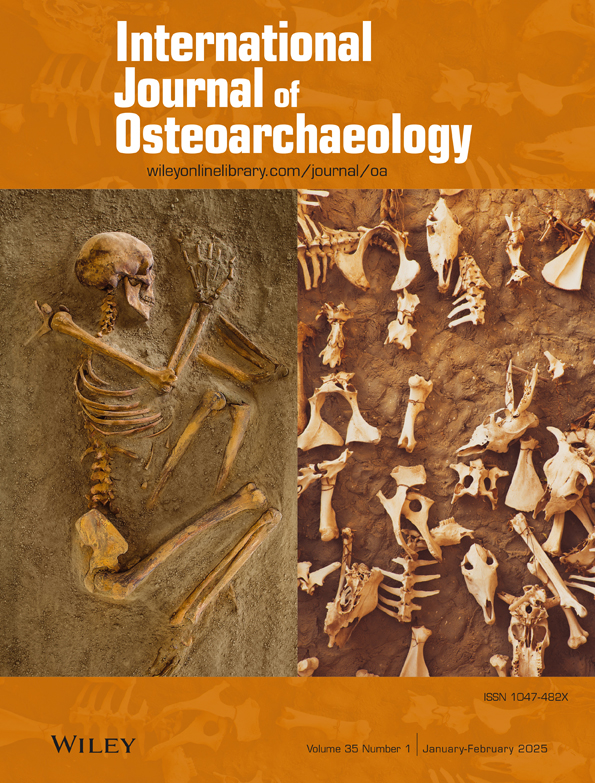
Those papers include Sex estimation by discriminant function analysis of long bones in prehistoric Southeast Asian populations and A Review of Bioarchaeological Investigations in Iron Age Cambodia. For Sophorn, the publications are more than academic outputs — they are a contribution to a growing body of knowledge about Cambodia and Southeast Asia’s deep past.
His MPhil research, supervised by Prof. Kate Domett and Dr. Nigel Chang of James Cook University (JCU), with co-supervision from Dr. Louise Shewan of the University of Melbourne, focused on past population health in relation to societal change, particularly the impact of Cambodia’s first state formation on individuals and communities.
Using analysis of skeletal remains, he examined mobility patterns, diet, mortality and morbidity rates, trauma, and how people adapted to changing social and environmental conditions.
“By learning from these past experiences,” he explained, “we can better address present-day challenges and minimise the impact of continuous societal development on population health.”
Sophorn said one of the reasons he chose James Cook University was its close alignment with his academic interests and the strength of its supervision. JCU’s Townsville campus also offered the kind of environment that made rigorous study both possible and inspiring.
“JCU’s Townsville campus, located in northern Queensland, attracted me with its tropical climate and vibrant yet manageable city atmosphere,” he said. “More importantly, JCU was where my primary and secondary supervisors were based, and their expertise in Southeast Asian bioarchaeology and archaeology aligned closely with my research interests.”
But the experience of studying in Australia gave him more than academic guidance. It gave him confidence, research skills, and a wider world of professional engagement.
“The most valuable outcome of this experience was developing the skills to conduct academic research and disseminate findings through publications,” Sophorn said.
During his time in Australia, he travelled beyond Townsville to attend conferences and workshops in Sydney, Melbourne, Cairns, Adelaide, Canberra, and Brisbane, and also participated in a workshop in Bangkok focused on bioarchaeology in Southeast Asia. These experiences expanded both his knowledge and his network.
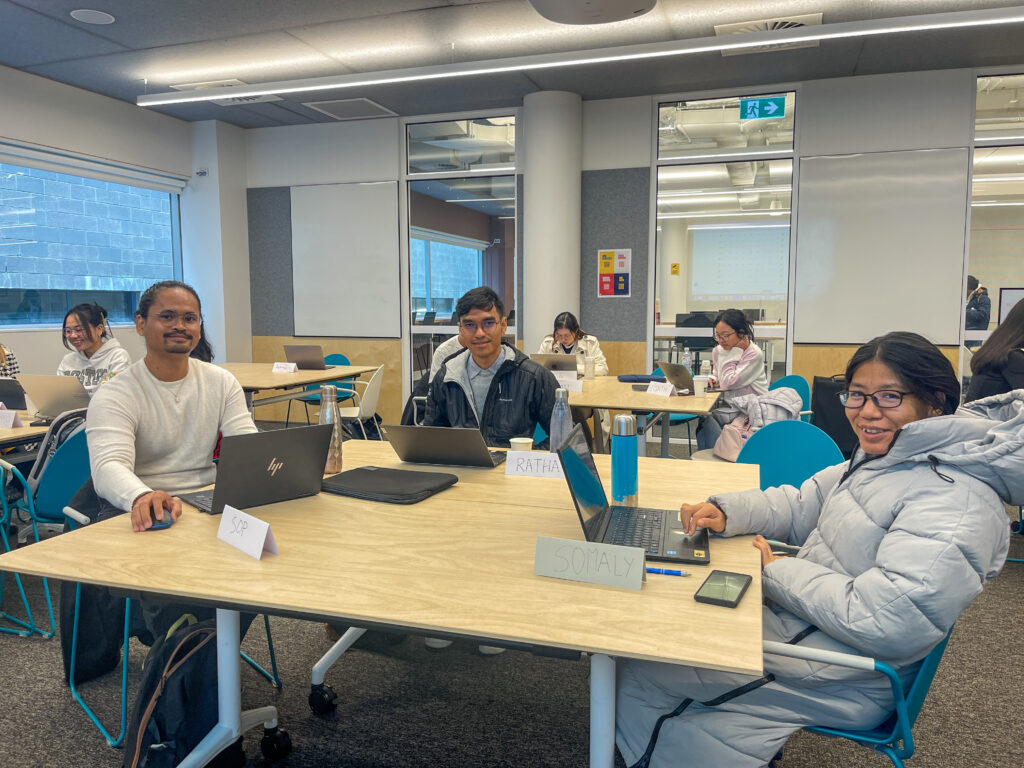
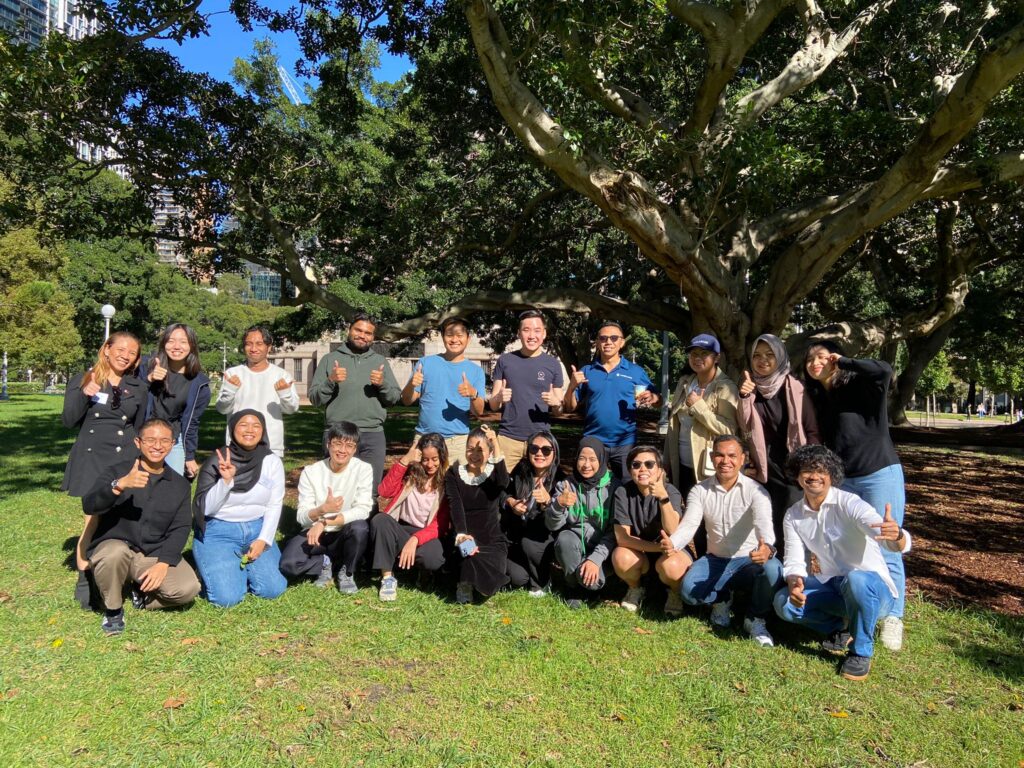
“In Australia, I had the privilege of meeting and exchanging experiences with ASEAN peers through the Aus4ASEAN program,” he said. “The workshop in Thailand greatly expanded my professional network among bioarchaeologists and anthropologists across the region, and we are now collaborating on ethical concerns surrounding the treatment of human remains in Southeast Asia.”
For Sophorn, the publication of his thesis-derived papers and the Medal for Excellence are deeply meaningful because they affirm both the quality of his work and the broader value of research.
“Publication is a core component of research, as it allows the public to benefit from findings,” he said. “The medal I received for my thesis stands as a testament to my commitment to excellence in research and my contribution to expanding knowledge of Cambodian and Southeast Asian prehistory.”
He added that the recognition is not only personal, but motivational.
“This recognition has not only fuelled my own inspiration to continue researching but also encouraged fellow early-career researchers to strive for excellence in their future work.”
Looking ahead, Sophorn hopes his work will help build stronger research capacity in Cambodia and inspire the next generation of scholars.
“In our review paper, we highlight the need for locally trained bioarchaeological researchers and research education in Cambodia,” he said. “I hope our publications reach thousands, if not millions, of future students inspired to study and develop bioarchaeology in the country.”
He also hopes Australian education will continue to have a long-term impact in Cambodia through research partnerships, training opportunities, and stronger institutions.
“We also call on the international community to provide research and study opportunities for Cambodian students and researchers,” he said, “with the aim of establishing dedicated research facilities for the study of prehistoric and historic human skeletal remains in Cambodia.”

Australia Awards Cambodia is managed by Tetra Tech International Development, on behalf of the Australian Government.
 Australian Embassy Phnom Penh
QUICK LINKS
CONTACT INFO
Level 2F, PGCT Centre, Preah Sihanouk Blvd, Phnom Penh
Email: [email protected]
Tel: +855 12 635 306
Tel: +855 15 301 127